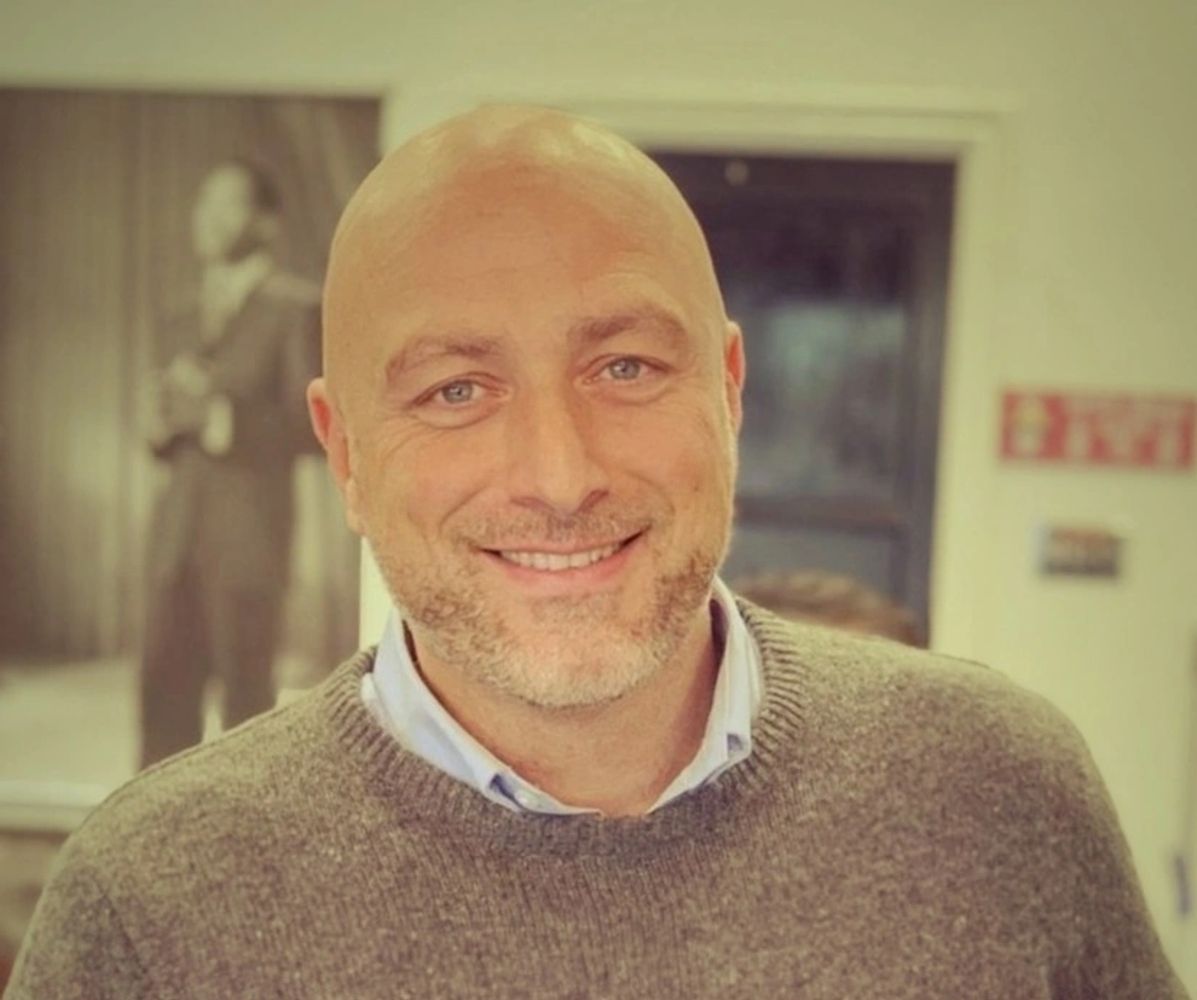


As a BACP (British Association of Counsellors &) Counsellor and Therapeutic Wellbeing Practitioner, I qualified at The Institute for Arts in Therapy and Education in London. My diverse skill set include diplomas in Life Coaching, Sophrology and Meditation Teaching working with both adults and young people. I have provided therapy and ment
As a BACP (British Association of Counsellors &) Counsellor and Therapeutic Wellbeing Practitioner, I qualified at The Institute for Arts in Therapy and Education in London. My diverse skill set include diplomas in Life Coaching, Sophrology and Meditation Teaching working with both adults and young people. I have provided therapy and mentoring in both primary and secondary schools across London and Hertfordshire. My experience includes, but is not exclusive to, Special Educational Needs, Looked After Children, Bereavement and Loss , Self-Injury, Low Mood, Depression and Anxiety.
I am also a Laughter Therapist.

In my work I employ an integrative approach influenced by various modalities and I am particularly passionate about utilising the creative arts, creative writing, sand trays, clay modelling, drama/improvisation and more.
I have a great interest in the benefits of humour and play for all ages.
I have an enhanced DBS certificate and am fully insured.

My aim within the sessions is to establish a strong connection with each client and meet them where they are, in their place of need. This can be through building a trusting relationship before embarking on a journey of self-discovery and healing. The aim of my work is to nurture and enhance my clients wellbeing capacities, fostering sel
My aim within the sessions is to establish a strong connection with each client and meet them where they are, in their place of need. This can be through building a trusting relationship before embarking on a journey of self-discovery and healing. The aim of my work is to nurture and enhance my clients wellbeing capacities, fostering self-awareness, confidence, resilience, emotional literacy and the ability to self regulate.
Imagine if, with one wave, all of our troubles could come to an end and we'd be complete, trauma-less human beings without any challenges. Unfortunately, I've never met a therapist with these powers and have no idea what a "complete" person looks like.
The character Rafiki from Disney's 'The Lion King' was portrayed as a wise old mandrill in the movie. He held Simba aloft at the start of his life and had an ability to show up in times of need and sometimes just be there without trying to force or fix anything He did occasionally offer advice and guidance, but it was his consistent presence that struck me. .
I invite you to go back to the times in your life that perhaps you struggled to understand. Moments that were confusing, hurtful, scary or unfamiliar.
Imagine having a Rafiki for every one of these occasions, to simply say "I'm here. I see you. I feel your pain. I can't fix this, but I'm here with you"
Not many are lucky to have had this, but such a relationship can be developed with a good counsellor. Any healthy therapeutic relationship should consist of the following...
when safety has been missing. Feelings of being unsafe drive many, if not most destructive behaviours. When we have been made to feel unsafe, our stress response is to feel threatened, often when there isn't an obvious threat. We'll do whatever we can to restore a sense of safety. Therapy must be a safe and trusting space where a client can explore challenges without fear.
that is reliable, consistent and warm. This is a crucial starting point for anyone seeking therapy. As Carl Jung said "Know your theories, master your craft, but when in the presence of a human being, be just another human being" Human connection is everything and a good therapist will make you remember how they made you feel, not what they told you.
Clients must be willing to commit to a process and understand that there is no quick fix or magic wand.
when perhaps they were missing. Boundaries help to ensure the integrity of the therapeutic process, protect both the client and therapist, and create a therapeutic alliance based on trust and respect. They are essential for creating a safe and effective therapeutic environment.
when nobody really saw the world from the clients point of view. This involves hearing the words spoken, but also attempting to understand the emotions and experiences behind those words. It is crucial for the client to feel felt, that they are truly the only focus and also have the ability to move the therapist.
and honesty help to create a safe and supportive environment where clients feel understood and accepted, encouraging them to explore their thoughts and feelings openly. The therapist must be real and transparent and not hide behind a therapeutic mask. An openness and honesty about their own thoughts and feelings about the process helps to build trust and forms a deeper connection. This can achieve better outcomes and personal growth.
or Unconditional Positive Regard. Clients, particularly at the start of their therapeutic journey, can often be guarded for fear of judgement, It is therefore paramount that the client feels safe and trusting enough to know that anything they wish to disclose will be accepted unconditionally. The client can then begin to accept themselves, which is a crucial step towards self discovery and healing.
in counselling is a crucial part of professional practice. It involves the therapist meeting regularly with another often more experienced therapist to receive guidance, support and feedback. This helps the counsellor to develop their skills, gain new insights and enhance their professional growth. It is important for all therapists to self care in order to maintain good practice.
Why not ask us a question using the chat widget at the bottom of the page?